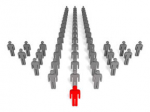
 At the heart of organizational performance and a performance driven culture is performance at the individual level – and more specifically, individual leader behaviour skills. To help you reframe and refocus your thinking on behaviour competency to drive performance, consider the following key behaviour skills essential to creating and sustaining the highly effective relationships necessary in a performance driven culture.
1. Build and Maintain a Core Foundation Linked to Behaviour Based Expectations.
A clear statement of corporate values that for plainly articulates the behaviour-based expectations that can then be reflected in an individual’s performance appraisal.
2. Accept Responsibility and Take Initiative for Performance.
Technical competence is the ability to get things done and deliver results — doing the right thing, the right way, for the right reasons. Do not make excuses, do not blame shift, and do not allow yourself to become a victim to avoid accepting personal responsibility.
3. Hold Yourself Accountable.
Accountability is a moral skill aligning values to behaviour –and is the most difficult task for any leader at any level of the organization.
4. Pursue Effective Communication.
Effective communication, as a highly influential trust behaviour, requires caring first, and seeking to understand before demanding to be understood.
5. The Fifth Competency – The Artful Apology
At the heart of sustaining highly effective relationships is the skill of expressing a professionally artful apology.
Connecting leader behaviour to a performance driven culture requires a corporative attitude that begins with the skill of Positive Presence™. Positive Presence is a new and deliberate way of thinking and behaving that makes the connection between human energy and behaviour and is easily practiced and developed right on the job. For many, it is just a lot of common sense, but for others it is a slow and gentle process that requires the help of both team mates and leaders.
CORPORATE HARMONY is grateful to Dr. Michael E. Frisina for his contributions to this entry.